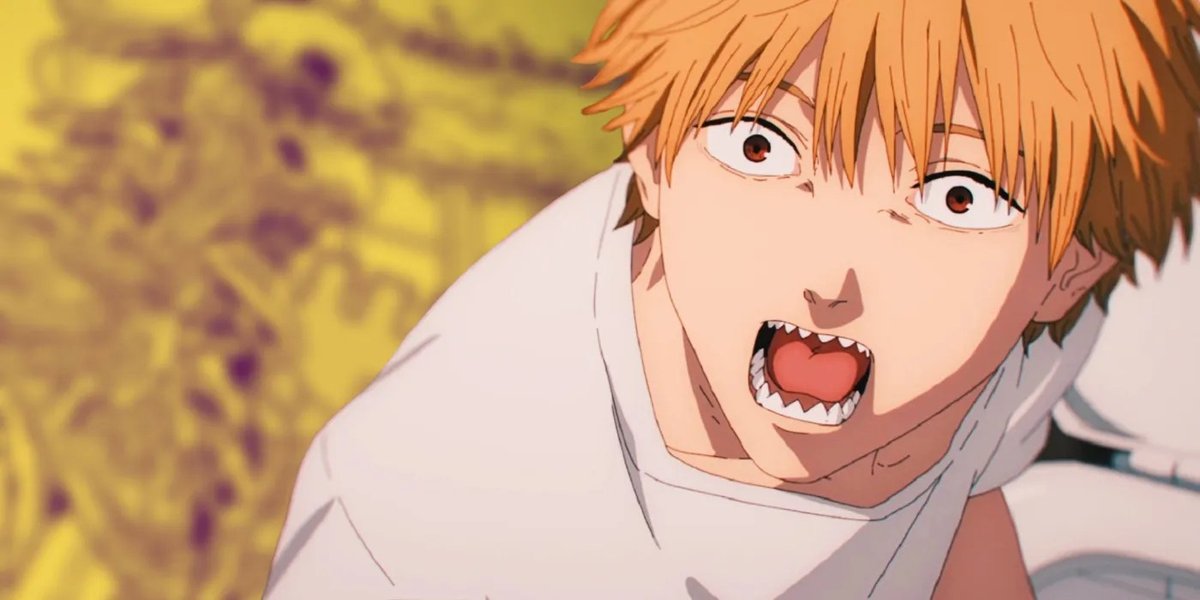
The vibrant, often brutal world of the entertainment industry as depicted in Oshi no Ko has captivated audiences worldwide. Meanwhile, the chaotic, demon-infested reality of Chainsaw Man has equally gripped fans with its unique brand of dark fantasy. So, when chatter begins to swirl about a potential crossover, specifically questioning if Denji, the Chainsaw Man himself, appears within Oshi no Ko, it's bound to spark intense curiosity. This super pillar hub is your definitive guide to understanding these fascinating fan theories and the undeniable truth behind them.
We're here to cut through the speculation and provide a human-first overview of why this particular crossover theory gained traction, and why, ultimately, it remains firmly in the realm of fan imagination. Get ready to explore the distinct universes of both series, dissect their core themes, and uncover the real story of Oshi no Ko's poignant conclusion.
Unraveling the Crossover Mystery: Where Did "Denji in Oshi no Ko" Come From?
It’s an undeniable fact: Denji does not officially appear in Oshi no Ko. The two series, while both incredibly popular and sharing elements of dark storytelling, occupy entirely separate universes with distinct narratives and established rules. So, why the persistent buzz? The phenomenon likely stems from the zeitgeist of both anime series, which rose to prominence around similar times, fostering a sense of shared cultural impact.
Fans often enjoy connecting popular franchises, especially when subtle thematic echoes or character archetypes might seem to align at a surface level. The shared darkness, complex character psychologies, and intense drama in both Oshi no Ko and Chainsaw Man naturally lead creative minds to ponder "what ifs." To fully grasp , it’s important to understand the creative ways fan communities engage with their beloved stories.
Oshi no Ko's Universe: A World Without Devils or Chainsaw Hybrids
Oshi no Ko meticulously crafts a grounded, albeit highly dramatic and dark, world centered around the Japanese entertainment industry. Its core narrative threads are woven with themes of reincarnation, revenge, identity, the nature of performance, and the psychological tolls of fame. The supernatural elements are primarily restricted to the unique "star eyes" of the Hoshino family, symbolizing inherited destiny and hidden truths, not demonic pacts or otherworldly beings.
The conflicts in Oshi no Ko are deeply human, exploring manipulation, murder, betrayal, and the pursuit of justice within the confines of reality. Introducing a character like Denji, with his chainsaw powers and devil-hunting background, would fundamentally disrupt the established logic and tone of the series. If you're keen to , you'll quickly see how distinct its reality is.
Denji's World: A Glimpse into the Chainsaw Man Saga
In stark contrast, Chainsaw Man plunges readers into a world where devils are real and ever-present threats, born from human fears. Denji's life revolves around his pact with the Chainsaw Devil, Pochita, transforming him into a hybrid human-devil with the power to sprout chainsaws from his limbs. His journey is one of survival, fighting gruesome devils, and navigating complex relationships within the Public Safety Devil Hunters.
The entire premise of Chainsaw Man is built upon its unique supernatural system and the visceral horror-comedy elements it brings. While both series explore themes of trauma and identity, they do so through entirely different narrative lenses and world-building frameworks. For a deeper understanding of this character, we invite you to . This will illustrate just how divergent his existence is from anyone in the Oshi no Ko universe.
The True Ending of Oshi no Ko: Aqua, Ruby, and the Hoshino Legacy
The Oshi no Ko manga concluded its epic run on November 13, 2024, with chapter #166, titled "Star." This finale brought to a close a sprawling narrative that began on April 23, 2020, encompassing 11 story arcs across 16 volumes. The story culminated in the Hoshino twins, Aqua and Ruby, fulfilling their intertwined destinies born from their past lives and the tragic murder of their idol mother, Ai Hoshino.
The final arc saw Aqua Hoshino confront his father, Hikaru Kamiki, after the premiere of the biopic "The 15 Year Lie." Aqua presented Hikaru with Ai's confession of love, which plunged Hikaru into a spiral of guilt. Though former B-Komachi member Nino attempted to harm Ruby, she was thwarted by Akane, who subsequently exposed Hikaru's extensive crimes to the authorities. In a climactic confrontation, Aqua chose a drastic path to protect Ruby from future harm, tragically taking his own life and ensuring Hikaru's demise by drowning them both. In his final moments, Aqua dreamt of his past life as Gorou, seeing Sarina (Ruby) cured and becoming an idol, before his body was later found in the sea. Years later, Ruby Hoshino carries on her mother and brother's legacy, embodying their spirit with white stars in both eyes. Alongside Mem-Cho and new B-Komachi members, she achieved the dream of performing at Tokyo Dome, using her "lies" to spread hope against despair. For a complete understanding of this impactful conclusion, you should consult .
The Enduring Power of Fan Theories and What They Tell Us
The "Denji in Oshi no Ko" theory, though purely speculative, highlights a broader phenomenon within anime fandom: the vibrant, imaginative world of crossover theories. These theories are born from a genuine love for characters and stories, often stemming from shared thematic elements, subtle visual cues, or even just the sheer desire to see beloved characters interact. They are a testament to the creativity and passion of the fan community, offering a fun way to engage with content beyond official canon.
While it's important to differentiate between fan-made theories and established lore, these discussions enrich the overall fandom experience. They provide a space for creative exploration and community bonding. Understanding helps us appreciate the dynamic relationship between creators and their audience.
While Denji remains firmly rooted in the chaotic world of devils, and Aqua and Ruby continue their complex journey within the dazzling yet dangerous entertainment industry, both Chainsaw Man and Oshi no Ko stand as masterpieces in their own right. They offer unique, compelling narratives that resonate deeply with audiences, proving that great storytelling transcends the need for forced crossovers. Dive into each series and discover the distinct brilliance that makes them unforgettable!